
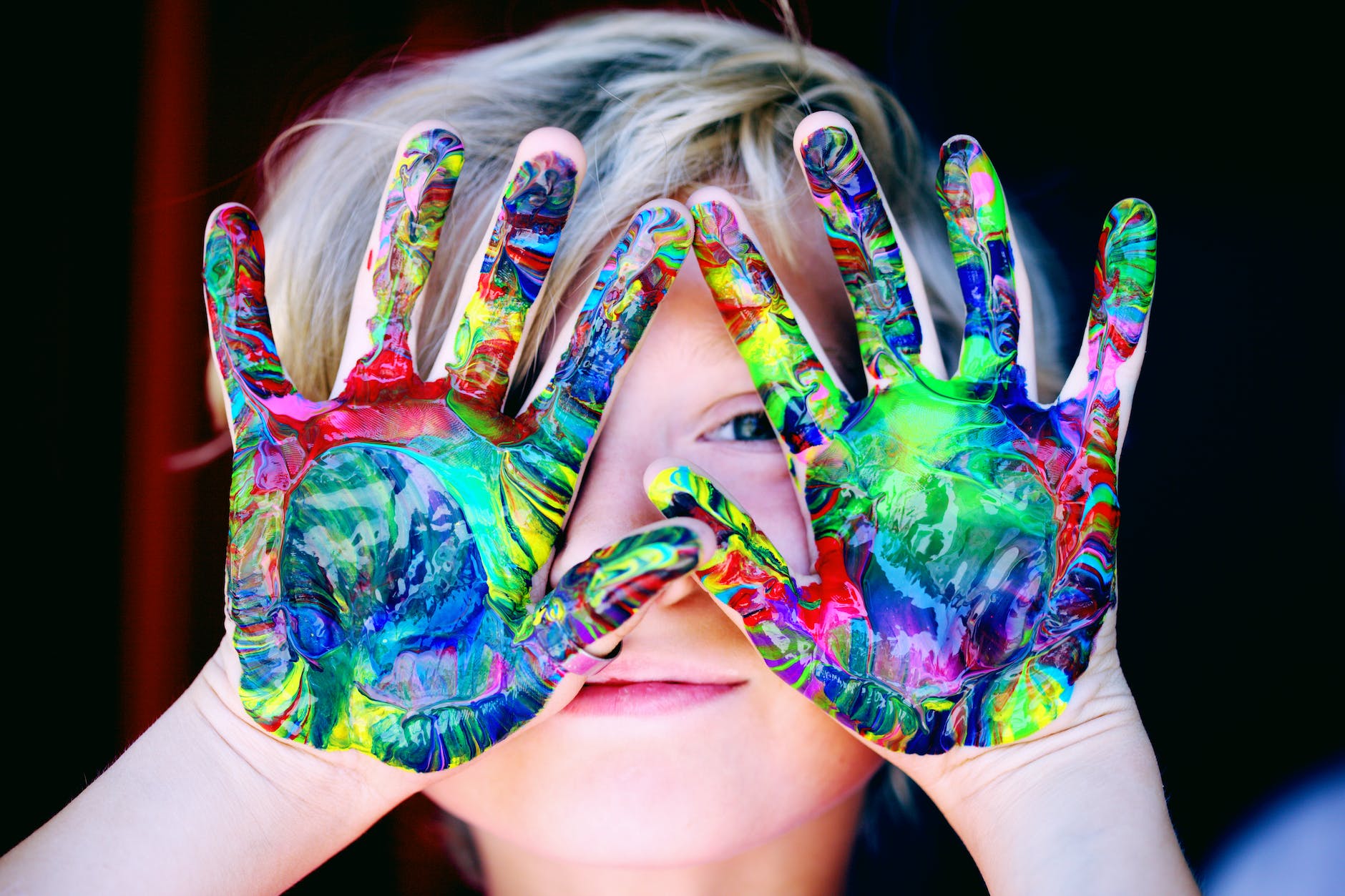
What is play therapy? Why should kids come to school to play? Doesn’t that take away from their learning time?
As a play therapist, my job is to create a safe place where each child can share their story, work through big feelings, and find ways to deal with these that are positive and bring growth. First, the student learns ways to regulate. Once regulated, they can connect with others and begin to ask for and receive support. Finally, they are in a place that they can access that part of the brain that allows them to reason, make decisions, solve problems, and get along with others.
Play is the natural language of children and toys are the words that they use to express what is happening in their world. Children do not have a fully-developed verbal capacity until the age of 11 or 12, so traditional talk therapy is generally not effective. Also, traumatic experiences can get stuck in the limbic or emotional part of the brain. Children are not able to bring these memories up to the higher level thinking areas where they can be discussed and worked through. Play therapy is a developmentally appropriate way to work with children who do not yet have this verbal capacity and it is backed by solid research.
Items such as a sand tray, puppets, a dollhouse, art, and musical instruments enable them to “tell” their story and work through those things that are keeping them stuck. Together we travel to those difficult places. Out of this work, the student gains understanding, the ability to regulate, and is able to make new choices. They practice new behaviors and experience positive changes that are reflected at school and supported in the classroom. These students arrive at a place where they can learn, blossom, and contribute their unique gifts to the school.
 ctsplaytherapy.com